


-

Add: HeBei ShengShi HongBang Cellulose Technology CO.,LTD.
-

Email
13180486930@163.com -

CONTACT US
+86 13180486930
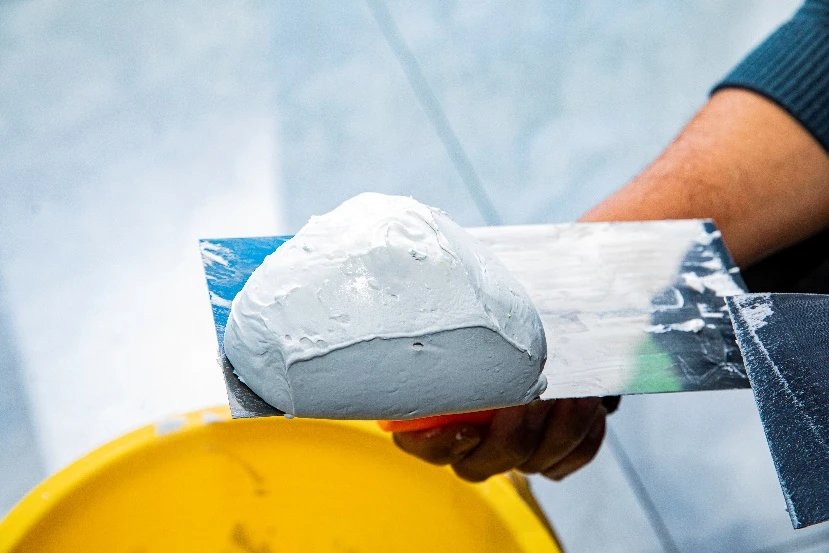
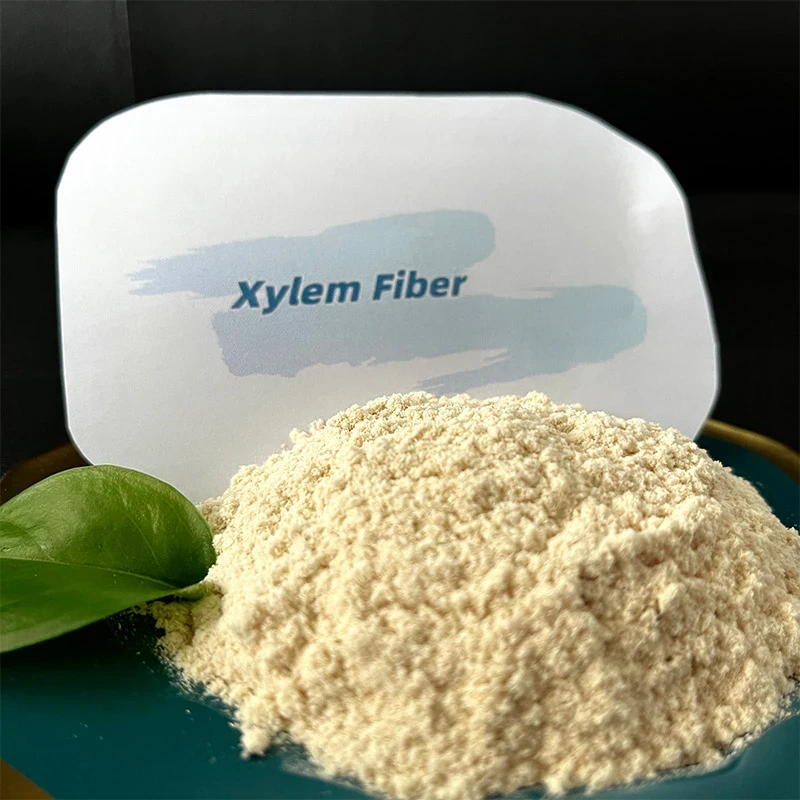


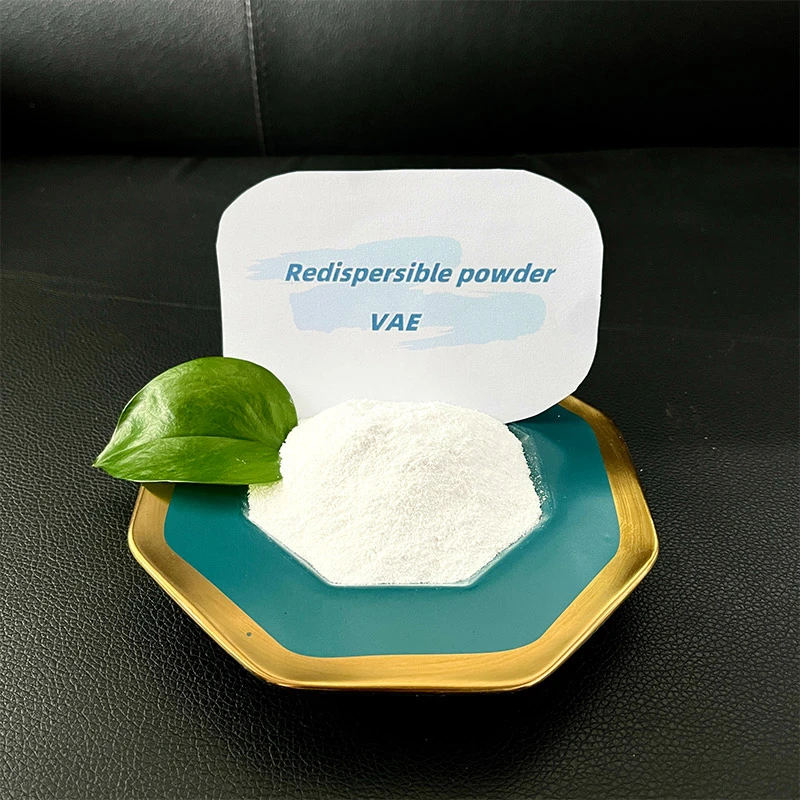
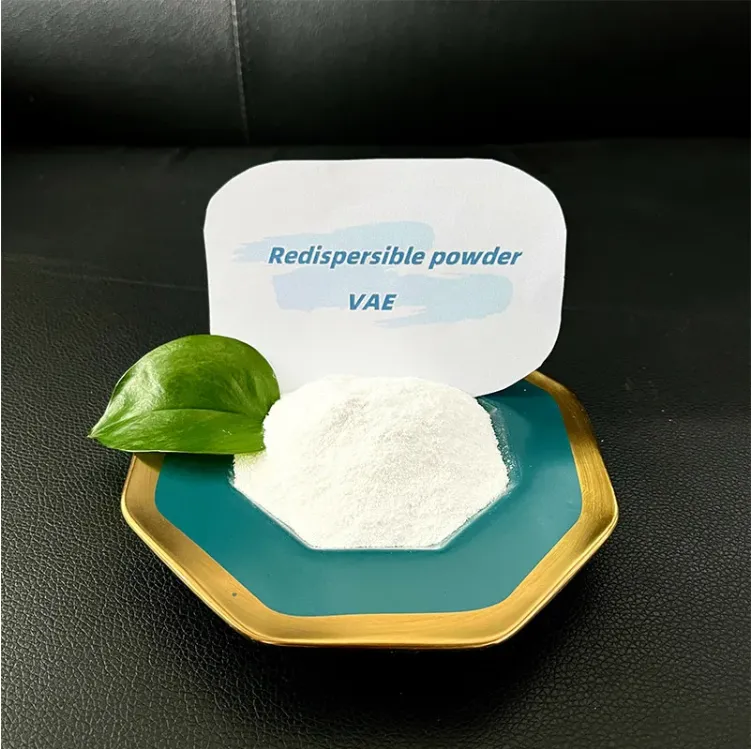
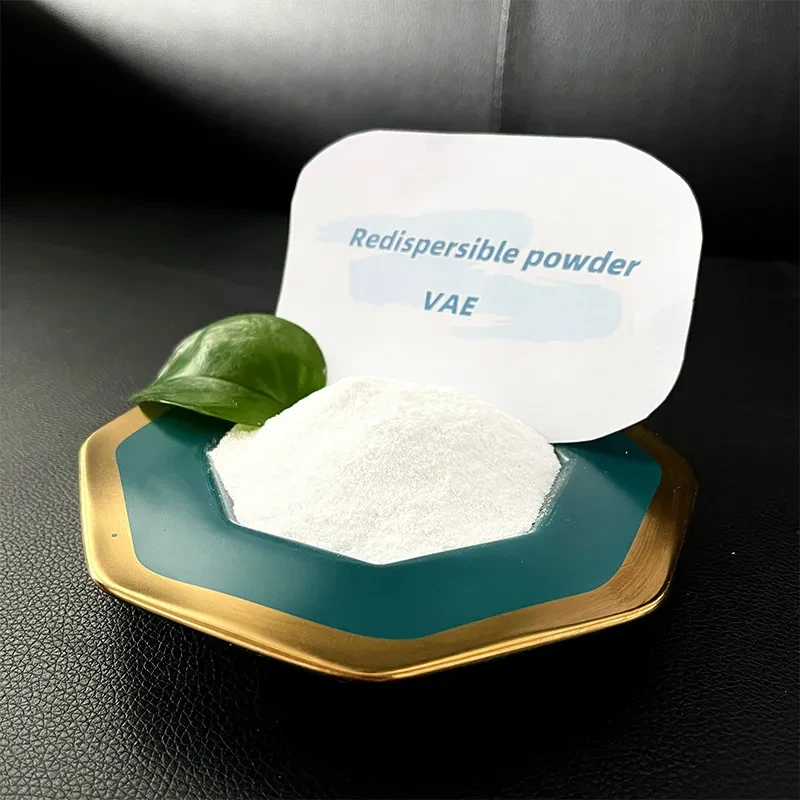
If you work with mortars or tile adhesives long enough, you eventually fall in love with the quiet workhorses. One of them is redispersible emulsion powder —the additive that turns a “just okay” mix into something installers actually compliment. To be honest, I didn’t appreciate RDPs until I saw field pull-off tests on a humid site in Shenzhen; the numbers were boringly high, which is precisely the point. The product in focus here is Redispersible powder VAE from HeBei ShengShi HongBang Cellulose Technology CO., LTD (Room 1904, Building B, Wanda Office Building, JiaoYu Road, Xinji City, Hebei Province). The company plays in that sweet spot of reliable baseline specs with room for customization—useful when you’re juggling different regional standards and substrates. Industry trend check - Demand shifting to low-VOC, low-odor systems (post-pandemic indoor air quality push). - More EIFS/ETICS growth across hot climates; hydrophobic grades are having a moment. - Contractors asking for easier trowelability and extended open time—less rework, fewer callbacks. What the redispersible emulsion powder actually does In cementitious and gypsum systems, VAE RDP improves adhesion, flexibility, water retention, and crack resistance. In fact, a tiny 2–5% dosage can flip an adhesive from “passes the lab” to “survives a monsoon.” Typical specifications (Redispersible powder VAE) Polymer base VAE (vinyl acetate–ethylene) Glass transition Tg ≈ +5 to +15°C (grade dependent) MFFT ≈ 0–5°C Ash content ≈ 10–14% Bulk density 0.45–0.55 g/cm³ D50 particle size ≈ 80–120 μm pH (in dispersion) 5–8 Residue on 300 μm ≤ 0.5% Recommended dosage 2–5% tile adhesive; 3–7% EIFS basecoat (real-world use may vary) Process flow (how it’s made) - Materials: VAE latex, protective colloid (PVOH), anti-caking agent, processing aids. - Method: Emulsion polymerization → blending → spray drying → sieving → packaging (25 kg bags). - QC and testing: Redispersibility (visual), sieve residue, bulk density, adhesion by EN 1348, pull-off ASTM C1583, compressive by ASTM C109/GB/T 17671. Applications and advantages - Tile adhesives (C1/C2, S1 targeting): stronger wet/dry adhesion, longer open time, nicer slip control. - EIFS/ETICS basecoats: crack-bridging, impact resistance; better cohesion under thermal cycles. - Skim coats/levelers: smooth trowel feel—many customers say “less chatter.” - Waterproof mortars/grouts: improved flexibility and water resistance. Service life: designed for 20–30 years in compliant systems, assuming proper detailing and maintenance. Field data (quick case) Coastal tile adhesive, 4% redispersible emulsion powder plus cellulose ether, CEM I 42.5R, CEN sand. EN 1348 tensile adhesion: 1.2 MPa dry; 1.0 MPa after water immersion; 0.8 MPa after heat aging—roughly double the baseline 0.4–0.6 MPa we saw without RDP. Not glamorous, but installers noticed fewer pop-offs after storms. Vendor comparison (indicative) Vendor Tg (°C) Ash % Customization Lead time Certs Notes HeBei ShengShi HongBang ≈ +5 to +15 10–14 Tg, anti-caking, packaging ≈ 10–15 days ISO 9001, REACH-like Balanced specs; sharp pricing EU Brand A 0 to +10 12–16 Wide grade library ≈ 3–5 weeks ISO 9001/14001 Premium pricing, strong tech docs Local Vendor B +10 to +20 15–20 Limited ≈ 7–12 days Basic QC Cost-first; check consistency Customization and compliance - Tailored Tg for climate, hydrophobic modifiers, anti-caking level for humid storage. - Conforms to project specs referencing EN 12004-2 (tile adhesives) and EN 1348. Factory QA under ISO 9001; material safety aligns with common REACH expectations. Always verify your local code, obviously. User notes Many applicators say the mix “butters” better, with fewer dry pockets. I guess the only consistent complaint is that once they switch to a good redispersible emulsion powder , they won’t go back—budget be damned. Citations EN 12004-2: Adhesives for tiles—Requirements, evaluation of conformity, classification. EN 1348: Adhesives for tiles—Determination of tensile adhesion strength. ASTM C1583/C1583M: Tensile strength of concrete surfaces and bond strength by pull-off. ASTM C109/GB/T 17671: Compressive strength of hydraulic cement mortars. JC/T 2190-2013: Redispersible polymer powder for dry-mixed mortar (PRC industry standard).
- 40000tons

Production
- 20+years

Experience
- 5000+㎡

Acreage

-

Hydroxypropyl methylcellulose (HPMC) is a versatile polymer extensively used across various industries due to its water solubility and exceptional properties. As a water-soluble polymer, HPMC is particularly valued for its ability to dissolve in both hot and cold water, making it an essential component in many formulations. Experience-based insights reveal that the solubility of HPMC in water is predominantly influenced by its methoxy and hydroxypropyl content. The balance of these groups determines not only its solubility but also its viscosity and gelation behavior. Through practical application, it is evident that HPMC easily dissolves in water without the need for high temperatures, enhancing its usability in industrial applications where simplicity and efficiency are paramount. From an expertise angle, professionals working with HPMC understand that its molecular structure is critical to its performance. The etherification of cellulose with methyl and hydroxypropyl groups allows HPMC to exhibit unique characteristics such as forming colloidal solutions and stabilizing emulsions and suspensions. In pharmaceutical formulations, for instance, HPMC acts as a controlled-release agent due to its gel-forming properties in aqueous environments. is hpmc soluble in water In terms of authoritativeness, research and standardizations have consistently shown that HPMC complies with numerous health and safety regulations, underscoring its reliability and widespread acceptance. The polymer's solubility in water without precipitating makes it an excellent candidate for pharmaceuticals, food products, and personal care items. It maintains stability and consistency, crucial for products that require precise specifications and quality assurances. Trustworthiness is further reinforced by HPMC's long history of safe use, backed by comprehensive studies documenting its non-toxic and biodegradable nature. Industries rely on HPMC not just for its functional advantages but also for its sustainable profile, which aligns with growing global demands for environmentally friendly materials. The polymer's predictable behavior and safety profile ensure that manufacturers maintain product integrity, earning consumer confidence and trust. Conclusively, hydroxypropyl methylcellulose's solubility in water makes it a highly adaptable polymer for various applications . Its ability to form gels and stabilize products, combined with its compliance with safety standards, positions it as a valuable ingredient across multiple sectors. The interplay of experience, expertise, authoritativeness, and trustworthiness positions HPMC as a reliable choice for enhancing product performance and delivering quality solutions in an increasingly competitive market.
-

In the vast landscape of chemical manufacturing, Hydroxypropyl Methylcellulose (HPMC) stands out as a crucial compound with diverse applications ranging from construction to pharmaceuticals. When it comes to sourcing HPMC, China emerges as a dominant player in the global market, home to some of the most reputable manufacturers known for producing high-quality HPMC products. This article explores the landscape of HPMC manufacturers in China, emphasizing the importance of Experience, Expertise, Authoritativeness, and Trustworthiness (E-E-A-T) for international buyers seeking reliable partners. Navigating the intricate world of chemical suppliers, buyers often seek companies with extensive experience, as it serves as a testament to a manufacturer’s ability to consistently produce quality products and adapt to changing market demands. China’s HPMC manufacturers typically boast decades of experience in the field . These manufacturers have honed their production processes to ensure high purity and consistency, critical factors for industries such as pharmaceuticals, where HPMC is used in drug formulation. Expertise is another critical factor that sets top Chinese HPMC manufacturers apart. The best manufacturers invest in cutting-edge research and development to refine their production processes continually. This commitment not only enhances the quality of their products but also expands their application range – from improving water retention in cement-based materials to acting as a binder and viscosity agent in food products. Many leading Chinese manufacturers maintain state-of-the-art laboratories and collaborate with research institutions to stay at the forefront of technological advancements in polymer science. The authoritativeness of a manufacturer can often be gauged by their certification credentials and international recognition. Top-tier HPMC manufacturers in China typically hold various international certifications such as ISO 9001 for quality management systems and GMP (Good Manufacturing Practice) for pharmaceutical-grade HPMC. Such certifications underscore their commitment to maintaining rigorous quality standards. Moreover, these manufacturers often participate in international exhibitions and trade fairs, which not only boost their industry reputation but also provide platforms for showcasing their innovative products globally. hpmc manufacturers in china Trustworthiness is paramount in selecting the right HPMC manufacturer. Chinese manufacturers often foster trust by engaging transparently with international clients, offering comprehensive information on product specifications, production processes, and quality assurance measures. Furthermore, many reputable manufacturers provide supply chain transparency, allowing clients to trace the journey of their products from production to delivery. By building long-term relationships with clients and offering excellent after-sales support, Chinese HPMC manufacturers cultivate a sense of trust essential for successful business partnerships. While selecting an HPMC manufacturer in China, international buyers are encouraged to conduct thorough due diligence. Engaging with manufacturers who have a substantial online presence, positive client reviews, and robust customer service can significantly impact the ease and success of business transactions. Moreover, leveraging platforms like trade associations and networking events can provide additional insights into the reliability and capabilities of potential suppliers. In conclusion, the landscape of HPMC manufacturers in China is characterized by profound expertise, solid experience, and a commitment to quality, making it a fertile ground for sourcing this vital compound. By emphasizing the E-E-A-T principles, international buyers can navigate this competitive market effectively, ensuring they partner with manufacturers who align with their strategic and operational goals. Such an informed approach not only optimizes product acquisition but also lays the foundation for long-lasting, mutually beneficial partnerships in the vibrant chemical manufacturing industry.
advantages
-

200000 Viscosities
Excellent product
We can produce pure products up to 200,000 viscosities
-

40000 tons
High yield
We don’t stop production all year round, and the annual output can reach 40,000 tons
-

24 hours
Quality service
We provide 24-hours online reception service, welcome to consult at any time
———— Inquiry Form
Schedule A services

-
 hydroxypropyl_cellulose_safe
Oct . 25, 2025
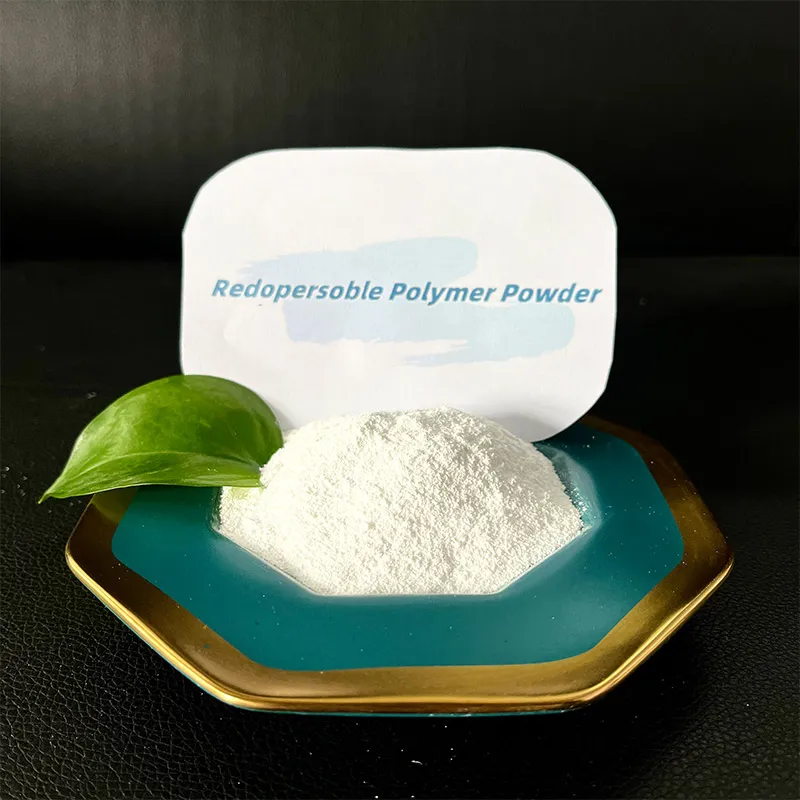
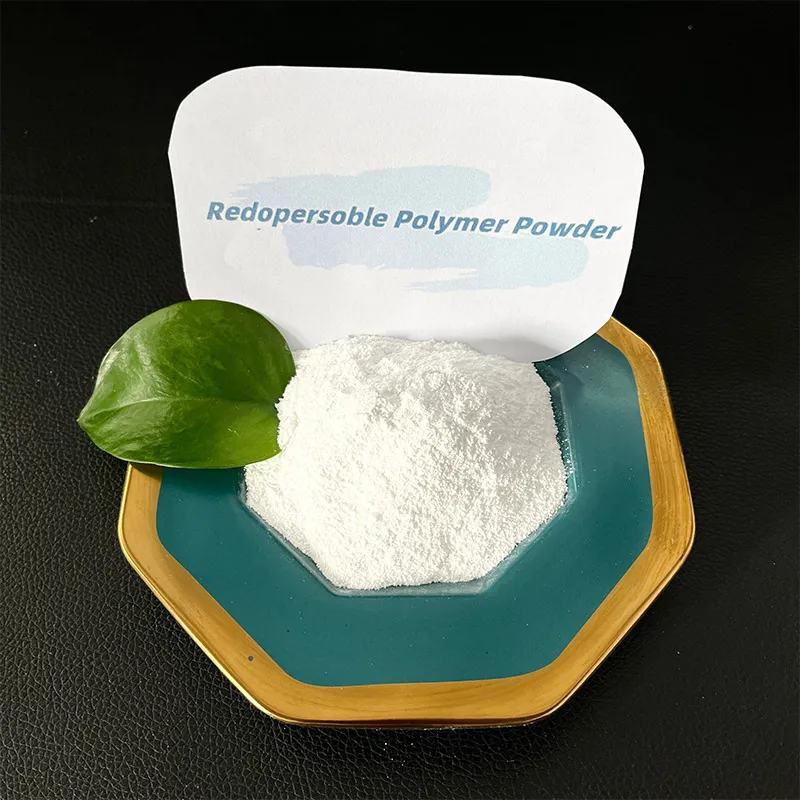
Redispersible polymer powder is an essential ingredient in many modern construction and manufacturin -
 utilisations_de_la_fibre_de_polypropylene
Oct . 25, 2025
In the complex world of construction and building materials, innovative products regularly establish -
 fabricantes_de_fibra_de_pp
Oct . 25, 2025
Methylcellulose is increasingly gaining attention in the realm of ophthalmic products due to its ver


